
2026-10-24 · Robert "Bobby" Sanchez
What Influences Water Damage Restoration Costs in Local Homes
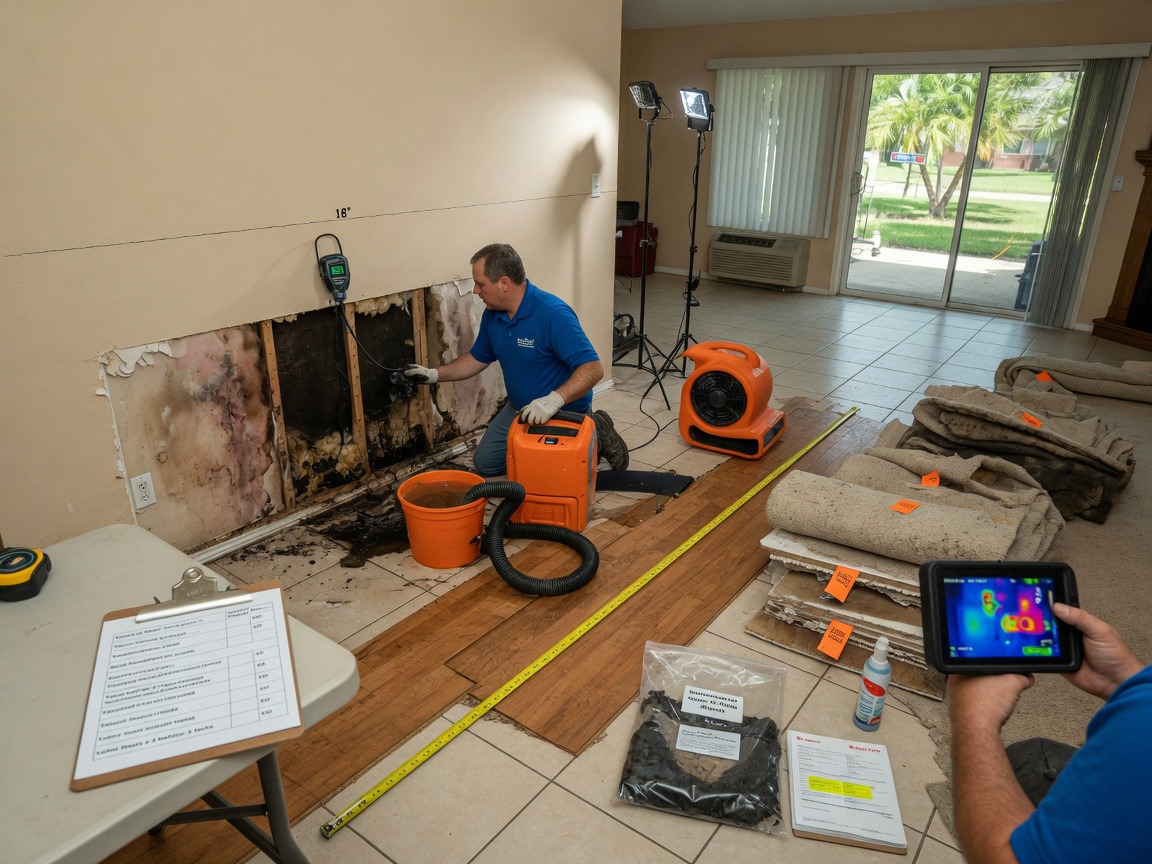
Water damage restoration costs in Sugar Land homes typically range from $1,500 to $5,000 for moderate issues, but can escalate to $10,000 or more for severe cases involving structural damage or hazardous contamination. The primary factors influencing these costs include the category of water involved, the extent of the damage, the types of materials affected, and the necessary drying and remediation processes. For instance, a small appliance leak in a kitchen in First Colony might be a relatively straightforward fix, while a significant flood affecting multiple rooms in a two-story home in Riverstone, particularly after one of our hot, humid summers, will naturally incur much higher expenses due to the increased scope of work and potential for secondary damage like mold.
Understanding Water Categories and Their Impact on Cost
The source and contamination level of the water are critical in determining restoration costs. We categorize water into three types, each with escalating remediation requirements and associated expenses. Category 1 water, often called 'clean water,' originates from a sanitary source like a burst pipe or an overflowing sink. While it might seem benign, if not addressed promptly, it can quickly degrade to Category 2. Restoration for Category 1 typically involves water extraction, drying, and sanitization. However, if left for more than 48 hours, especially in our warm Fort Bend County climate, it can become a breeding ground for bacteria and mold, necessitating more intensive cleaning protocols.
Category 2 water, or 'gray water,' contains a significant level of chemical, biological, or physical contaminants. This includes discharge from dishwashers, washing machines, or toilet overflows (without solid waste). This type of water poses a moderate health risk and requires specialized handling, including removal of porous materials like carpet padding, and thorough disinfection. Lastly, Category 3 water, known as 'black water,' is grossly contaminated and may contain pathogenic agents. This category includes sewage backups, floodwaters from the Brazos River, or any water that has been stagnant for an extended period. Black water situations require extensive demolition of affected porous materials, specialized decontamination, and often, personal protective equipment for technicians, significantly increasing the overall restoration cost. For more details on handling contaminated water, see our guide on Sewage Backup Cleanup.
Scope of Damage and Affected Materials
The sheer scale of the damage directly correlates with restoration costs. A small leak contained to a single room will always be less expensive to mitigate than widespread damage affecting multiple levels or areas like the attic and crawl space. Factors we assess include the square footage affected, the depth of water penetration, and the duration the water has been present. For example, a minor plumbing leak under a sink in a Telfair home might only require drying out a cabinet and a small section of flooring. Conversely, a major incident, perhaps from a storm or a widespread pipe burst, could affect walls, ceilings, insulation, and even structural elements, necessitating extensive repairs and reconstruction. The longer water sits, the more it wicks into porous materials, expanding the scope of necessary drying and potential demolition.
Different materials absorb water differently and have varying replacement costs. Drywall, insulation, and carpet are highly porous and often need to be removed and replaced when heavily saturated, especially with Category 2 or 3 water. Hardwood flooring, while durable, can warp and buckle, requiring specialized drying techniques or even replacement. Concrete slabs, common in many Sugar Land homes, can hold moisture, leading to issues with flooring adhesives and potential mold growth if not properly dried. Furniture, electronics, and personal belongings also add to the restoration cost, as they may require specialized cleaning, drying, or replacement. Our team often performs detailed Water Extraction before assessing material damage.
Drying and Dehumidification Requirements
Effective drying and dehumidification are paramount to preventing secondary damage like mold growth, which is a particular concern in our hot, humid Sugar Land climate. The cost here is influenced by the amount of moisture present, the size of the affected area, and the type of drying equipment needed. We use industrial-grade air movers and dehumidifiers to thoroughly dry out structural materials and reduce ambient humidity. The duration these machines need to run, typically measured in days, directly impacts the cost. For example, a home in First Colony with significant hidden moisture after a slab leak, a common issue in our area, will require extended drying times. Our expertise in Structural Drying and Dehumidification is crucial for preventing long-term issues.
Factors like the property's construction, the presence of hidden pockets of moisture, and even the outdoor humidity levels (which are consistently high here, especially during summer) can extend drying times. If mold is detected, additional mold remediation services will be necessary, which adds another layer of cost. It’s critical to address all moisture, even in hidden areas, to prevent future problems. You can learn more about this in our article Checking for Hidden Moisture After a Slab Leak in Texas Heat. Skipping thorough drying to save money upfront almost always leads to more expensive problems down the line, especially in Fort Bend County where humidity is a constant factor.
Additional Factors: Emergency Services, Demolition, and Reconstruction
Sometimes, water damage requires immediate attention, especially after a severe storm or a major pipe burst. Our Emergency Water Removal services, available Mon–Fri 8am–6pm and Sat 9am–2pm, are designed to quickly mitigate damage and prevent further escalation. While these services are crucial, they can sometimes incur higher rates due to the urgency and after-hours work. The need for demolition also adds to the cost. If materials are unsalvageable or heavily contaminated, they must be safely removed and disposed of. This includes tearing out damaged drywall, flooring, and insulation.