
2026-10-24 · Robert "Bobby" Sanchez
Handling Flooding After Summer Storms in Sugar Land
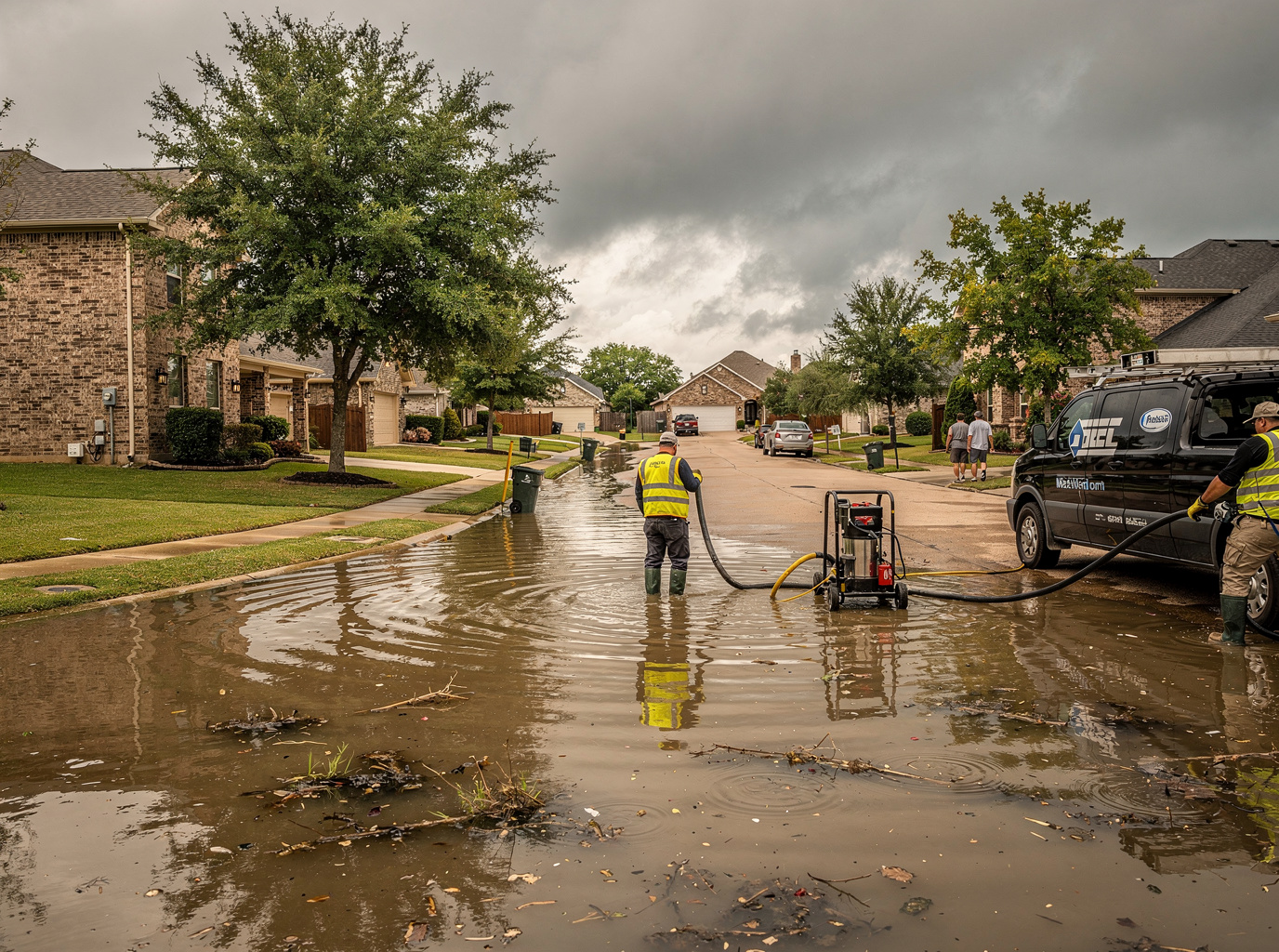
Handling flooding after summer storms in Sugar Land requires immediate, decisive action to mitigate damage and prevent further complications. The initial steps involve safely stopping the water source if possible, moving valuables, and contacting a professional <a href="/services/emergency-water-removal">emergency water removal</a> service within the first 24–48 hours. Given our region's climate with hot, humid summers, standing water quickly becomes a breeding ground for mold and can cause extensive structural damage to homes in neighborhoods like First Colony, Riverstone, and Telfair. Prompt professional intervention is key to effective <a href="/services/water-damage-mitigation">water damage mitigation</a>, which can significantly reduce overall restoration costs and the long-term impact on your property.
Understanding Sugar Land's Summer Storms and Flood Risk
Sugar Land, nestled in Fort Bend County near Houston, experiences a distinct weather pattern characterized by hot, humid summers. This climate often brings sudden, torrential downpours and tropical depressions, especially from June through September. These storms can quickly overwhelm drainage systems, leading to localized street flooding and, unfortunately, water intrusion into homes. Many properties, particularly those closer to the Brazos River, are susceptible to flash flooding. The ground, already saturated from previous rains, struggles to absorb additional water, increasing the risk of water seeping into foundations or through compromised roofs. Understanding these local conditions is the first step in preparing for and reacting to flood events.
The age and construction of homes in areas like Telfair and Riverstone also play a role. While newer constructions often have better drainage around their foundations, older homes might have less robust waterproofing or grading issues that direct water towards the structure. The consistent humidity after a storm creates an ideal environment for secondary damage, such as mold growth, making rapid drying and dehumidification critical. We often see issues stemming from these weather patterns, highlighting the importance of a swift response to any water intrusion.
Immediate Steps When Your Home Floods
When floodwaters enter your home after a summer storm, your immediate actions can significantly impact the extent of the damage. First, ensure your family's safety by avoiding standing water if electrical outlets or appliances are submerged. If it's safe to do so, turn off your home's main power supply. Next, try to identify and stop the water source if it's an internal issue like a burst pipe, rather than external floodwaters. Elevate furniture, rugs, and other valuables to minimize contact with water. Even a few inches of standing water can cause substantial damage to drywall, flooring, and personal belongings within hours.
For external flooding, such as from heavy rains overflowing culverts in First Colony, there's little you can do to stop the ingress. In these cases, focus on containment and preparation for professional <a href="/services/water-extraction">water extraction</a>. Do not use a regular vacuum cleaner to remove water, as this poses an electrical hazard. Ventilate the area by opening windows and using fans if it's safe to do so and the outdoor humidity isn't higher than indoors. Document the damage with photos and videos for insurance purposes before any cleanup begins. These initial steps are crucial before professional help arrives.
The Importance of Professional Water Damage Restoration
While immediate DIY actions are helpful, professional water damage restoration is essential for comprehensive recovery, especially in Sugar Land's climate. Our hot and humid conditions mean that mold can begin to grow within 24–48 hours of water exposure. A professional service, like Sugar Land WaterGuard, has specialized equipment such as industrial-strength water extractors, air movers, and dehumidifiers to thoroughly dry out your property. This goes beyond surface drying, addressing moisture trapped in walls, subfloors, and structural elements that you might not even see. Improper drying can lead to long-term issues, including structural compromise, persistent odors, and extensive mold remediation needs.
Our team, based at 10527 Long River Dr, Sugar Land, TX 77498, is equipped to handle everything from initial <a href="/services/flood-damage-restoration">flood damage restoration</a> to complete structural drying and dehumidification. We understand the specific challenges posed by the local environment, including the types of building materials common in Fort Bend County homes and how they react to water exposure. Our services are available Mon–Fri 8am–6pm and Sat 9am–2pm, ensuring timely response when you need it most. For more insights into restoration costs, you might find our article <a href="/blog/what-influences-water-damage-restoration-costs-in-local-homes">What Influences Water Damage Restoration Costs in Local Homes</a> helpful.
Preventing Future Flood Damage
While you can't stop summer storms, you can take proactive steps to reduce your home's vulnerability to flooding. Regularly inspect your roof for damaged shingles or flashing, especially after high winds, as even small leaks can become major issues during heavy downpours. Ensure your gutters and downspouts are clear of debris and direct water at least 5–10 feet away from your foundation. Consider improving your yard's grading to slope away from your house, which can prevent water from pooling near the foundation. Installing a sump pump in basements or crawl spaces, though less common in slab-on-grade Sugar Land homes, can be a lifesaver in areas prone to water accumulation.